Waterproofing Basements in Older Homes
Waterproofing basements in older homes helps prevent leaks and water damage, with local contractors ready to provide expert solutions for lasting protection.
Homeowners with older properties often encounter unique challenges when it comes to maintaining a dry and stable basement environment. If your house is showing signs of moisture, water intrusion, or uneven foundation conditions, exploring waterproofing options can be a practical step toward protecting your investment. Local contractors specializing in basement waterproofing services understand the specific needs of older homes and can offer tailored solutions to help keep basements dry and structurally sound.
Understanding the importance of effective waterproofing in older homes can prevent costly damages and improve overall comfort. Property owners might consider this work to address persistent dampness, reduce mold growth, or prepare for future renovations. By connecting with experienced service providers in the area, you can find trusted experts equipped to handle the unique demands of waterproofing basements in older homes, ensuring the job is done right and built to last.
- Waterproofing basements in older homes - homeowners noticing dampness or leaks may seek local contractors experienced in addressing moisture issues specific to aging foundations.
- Waterproofing basements in older homes - when dealing with longstanding cracks or deteriorated foundation walls, local pros often employ specialized sealing and drainage solutions.
- Waterproofing basements in older homes - if basement odors or mold growth become a concern, service providers can assess and implement effective waterproofing strategies.
- Waterproofing basements in older homes - property owners planning renovations might consult local contractors to ensure the foundation remains dry and structurally sound.
- Waterproofing basements in older homes - in cases of previous waterproofing failures, local pros can evaluate and recommend durable, long-lasting solutions tailored to older structures.
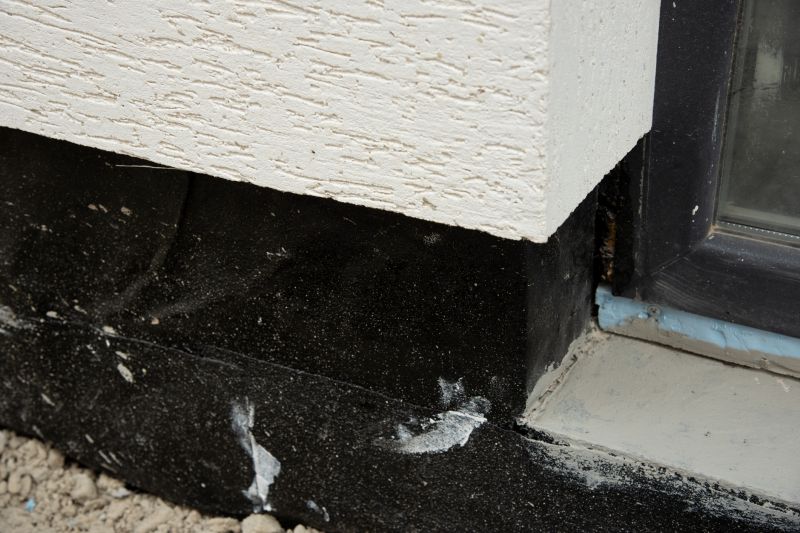
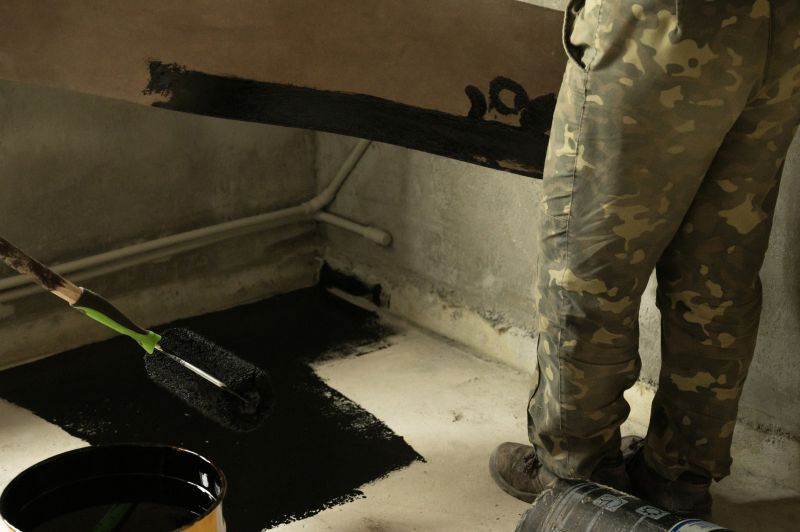
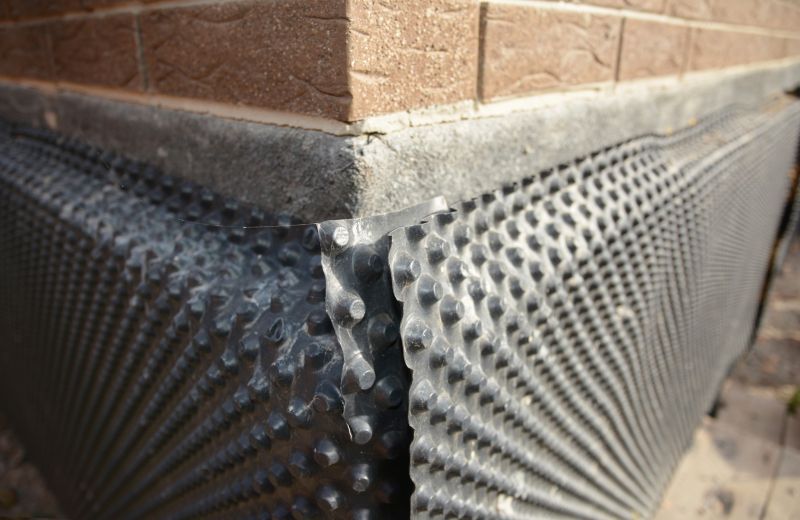
When homeowners search for information about waterproofing basements in older homes, they are often looking to address persistent moisture issues or prevent future water intrusion. These searches typically stem from experiences with damp, moldy, or musty basements that can compromise the comfort and safety of a home. Many property owners are also planning renovations or upgrades and want to ensure their basement remains dry and structurally sound over time. Understanding what waterproofing involves and how it can protect an older home's foundation is essential for homeowners considering repairs or preventative measures.
Waterproofing basements in older homes is closely related to problems like basement leaks, rising dampness, or water seepage through walls and floors. These issues are often caused by aging foundation materials, inadequate drainage, or shifting soil conditions that develop over decades. Homeowners may also be planning to finish their basement for additional living space, which makes effective waterproofing a key step before any interior upgrades. Local service providers who specialize in basement waterproofing can evaluate the specific needs of an older property, recommend appropriate solutions, and help implement systems such as exterior drainage improvements, interior sealants, or sump pump installations.
The types of properties that typically come up in searches for waterproofing older homes include historic or vintage houses, early-20th-century constructions, and homes with basement foundations built before modern waterproofing standards. These properties often feature foundation materials like stone, brick, or early concrete mixes that may not be as resistant to water penetration as newer construction methods. Many of these homes have experienced years of moisture infiltration, making waterproofing an essential part of ongoing maintenance or renovation plans. Local contractors experienced with older homes understand the unique challenges these properties present and can tailor waterproofing strategies to preserve their structural integrity.
For homeowners exploring waterproofing basements in older homes, connecting with experienced local contractors is an important step. These service providers can assess the specific conditions of an aging foundation, identify sources of water intrusion, and recommend practical solutions suited to the property's age and construction style. Whether it involves exterior drainage improvements, interior waterproof barriers, or sump pump systems, local pros play a crucial role in helping homeowners protect their investment. Proper waterproofing not only addresses current moisture problems but also helps prevent future damage, making it a vital consideration for maintaining the safety and usability of an older home’s basement space.
Foundation Repair - foundation repair involves addressing structural issues that can lead to water intrusion, making it a related skill for waterproofing basements in older homes.
Drainage System Installation - installing proper drainage systems helps direct water away from the foundation, which is essential in effective basement waterproofing.
Crawl Space Encapsulation - encapsulating crawl spaces shares techniques with basement waterproofing, particularly in moisture control and vapor barrier installation.
Interior Waterproofing - interior waterproofing methods, such as sealants and sump pump installation, are often part of comprehensive basement waterproofing projects.
Basement Finishing - finishing a basement requires moisture management skills similar to waterproofing, ensuring the space remains dry and durable.
Masonry Repair - repairing and sealing cracks in masonry walls is a common task that supports the integrity of waterproofing in older homes’ basements.
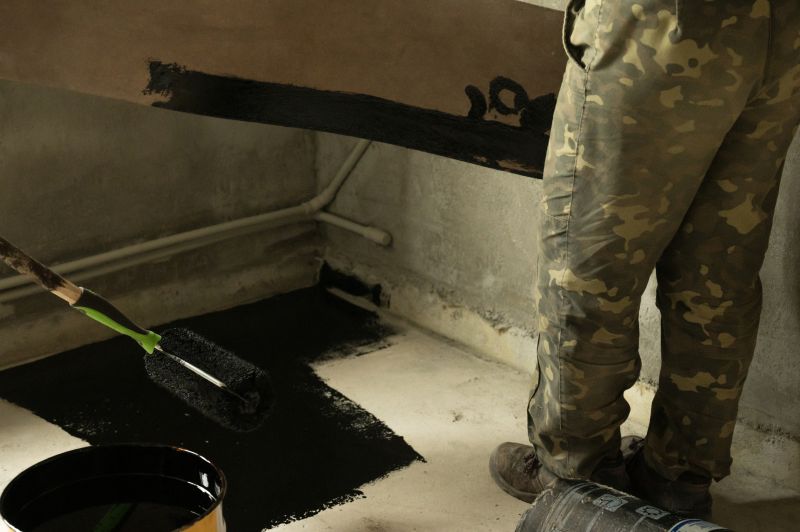
When evaluating service providers for waterproofing basements in older homes, it is important to consider their experience with similar projects. Older homes often present unique challenges, such as outdated foundation materials or existing structural issues, which require specialized knowledge and techniques. Homeowners should look for local contractors who have a proven track record of successfully handling basement waterproofing in homes with comparable age and construction types. This familiarity can help ensure that the chosen professional understands the complexities involved and can recommend effective solutions tailored to the specific needs of older structures.
Clear, written expectations are essential when comparing local contractors for basement waterproofing services. A comprehensive project outline should specify the scope of work, materials to be used, and any necessary preparatory steps. Having these details documented helps prevent misunderstandings and provides a basis for assessing the quality of the proposed approach. Homeowners are encouraged to ask service providers for detailed proposals or estimates that outline what will be done, how it will be accomplished, and what the expected results are. Well-defined expectations contribute to a smoother project process and help ensure that the waterproofing work meets the homeowner's needs.
Reputable references and effective communication are key factors in selecting the right local contractor for basement waterproofing. By seeking references or reviews from previous clients, homeowners can gain insight into the contractor’s reliability, craftsmanship, and professionalism. Good communication throughout the process is equally important, as it allows homeowners to ask questions, express concerns, and receive timely updates on the project’s progress. Service providers who demonstrate transparency, responsiveness, and a willingness to address homeowner inquiries are often better equipped to deliver satisfactory results when waterproofing basements in older homes.
Property owners often search for waterproofing basements in older homes when they are planning practical projects around their homes and businesses. Local pros provide Basement Waterproofing services for everyday jobs and straightforward project options.
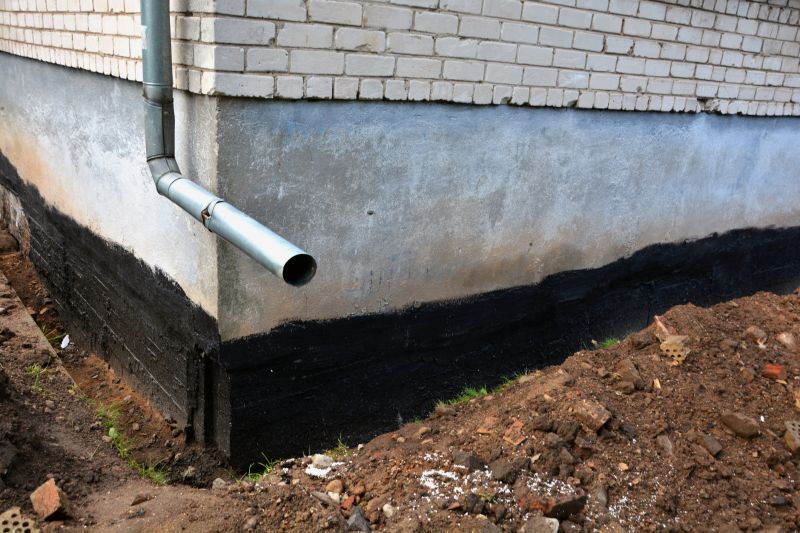
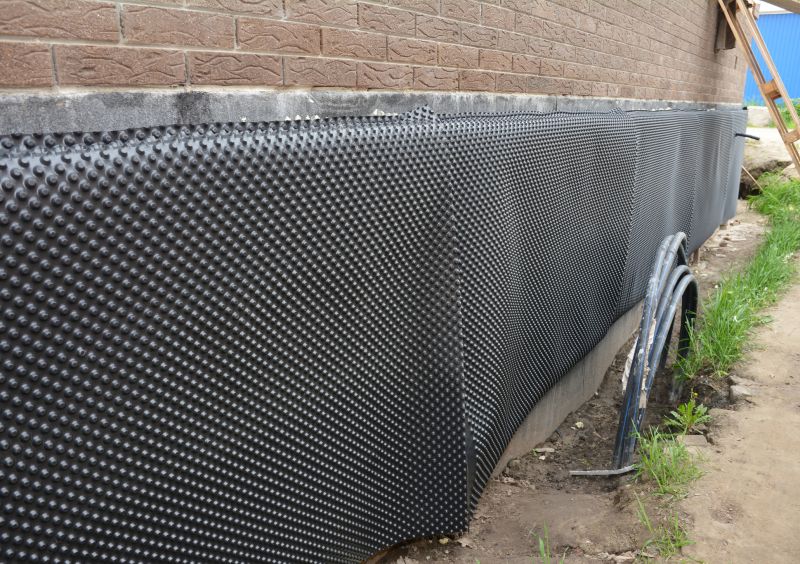
Homeowners exploring options for waterproofing basements in older homes often seek simple solutions to prevent water intrusion and reduce moisture issues. Common situations include noticing damp walls, mold growth, or water stains after heavy rain, which can lead property owners to look into professional services that address these concerns effectively. Local contractors specializing in basement waterproofing can assess the unique needs of older properties, providing tailored solutions that help protect foundations and improve indoor air quality.
Many property owners consider basement waterproofing services when they want to safeguard their homes from future water damage or prepare for renovations. Older homes may have aging foundations or outdated drainage systems that increase the risk of leaks or flooding. Connecting with experienced service providers in the area can offer peace of mind, as they have the knowledge to recommend appropriate waterproofing methods suited to the specific challenges of older structures.
Are there specific waterproofing solutions suitable for older homes' basements? Yes, experienced contractors can recommend and install waterproofing methods tailored to the unique conditions of older homes, such as interior sealants, exterior drainage systems, or membrane barriers.
What causes water issues in basements of older homes? Common causes include aging foundation materials, inadequate drainage around the property, cracks in the foundation, and poor grading, which local contractors can assess and address through appropriate waterproofing techniques.
Can waterproofing be done without major renovations in an older home? Many waterproofing options can be implemented with minimal disruption, including interior sealants and sump pump installation, with local service providers able to evaluate the best approach for each basement.
How do local contractors determine the best waterproofing method for an older basement? They typically perform a thorough inspection of the foundation, identify sources of moisture, and recommend solutions based on the basement's condition and the home's structure.
Is waterproofing effective for preventing future water problems in older homes? When properly installed by experienced service providers, waterproofing can significantly reduce water infiltration and protect the basement from future moisture issues.
Assessing basement moisture issues - Property owners can work with local contractors to identify sources of water intrusion and determine the best waterproofing approach for older homes.
Applying interior sealants - Homeowners might consider using interior waterproofing membranes or sealants, with guidance from local service providers, to prevent basement leaks.
Improving drainage systems - Upgrading or installing proper exterior drainage and sump pumps can help manage water flow around older homes, with local pros providing practical solutions.
Addressing foundation cracks - Repairing visible cracks and weak spots in the foundation can be handled by local contractors to enhance waterproofing in older basement structures.
If you are thinking about waterproofing basements in older homes for a property, this guide is meant to help you understand this topic, the typical project types, and how different options might fit your plans.
When you are ready, you can use the quote form on this page to share a few details about your project. From there, local pros can review the basics and follow up with options that match what you have in mind.